

{
  "authors": [
    "Avril Haines",
    "Nabil Fahmy",
    "Mustafa Al‑Kadhimi",
    "Marwan Muasher",
    "Maha Yahya",
    "Ghassan Salameh",
    "Amer Bisat",
    "Manal Radwan",
    "Yael  Lempert",
    "Jihad Azour",
    "Paul Salem",
    "Sinan Ülgen",
    "Hamidreza Azizi",
    "Nicole Grajewski",
    "Steven Feldstein",
    "Rym Momtaz",
    "Yezid Sayigh",
    "Mohanad Hage Ali",
    "Tong Zhao",
    "Ali  Al-Mawlawi ",
    "Azeema Cheema",
    "Hamza Meddeb",
    "Nada Homsi",
    "Amr Hamzawy"
  ],
  "type": "conference",
  "centerAffiliationAll": "",
  "centers": [
    "Carnegie Endowment for International Peace",
    "Malcolm H. Kerr Carnegie Middle East Center"
  ],
  "englishNewsletterAll": "",
  "nonEnglishNewsletterAll": "",
  "primaryCenter": "Malcolm H. Kerr Carnegie Middle East Center",
  "programAffiliation": ""
}
Global Shifts, Regional Stakes: Looking Ahead to 2027
Wed, December 9th, 2026 - Thu, December 10th, 2026
The Malcolm H. Kerr Carnegie Middle East Center's annual conference will bring together scholars from Carnegie's global centers in Beirut, Berlin, Brussels, Beijing, New Delhi, and Washington, alongside leading policymakers and outside experts, to examine the forces reshaping the Middle East and the international order.
Against the backdrop of ongoing conflict in the Middle East and shifting regional alignments, renewed great-power competition, technological transformation, and growing economic uncertainty, the conference will explore how states and societies are adapting to a rapidly changing strategic landscape. Discussions will address the future of U.S. foreign policy, global economic and trade networks, China's and India's growing international roles, emerging regional alliances, the changing nature of warfare, artificial intelligence, nuclear risks, post-conflict reconstruction, and Lebanon's future.
The conference, which will encompass regional and international perspectives, will seek to move beyond immediate crises to assess the broader transformations that are likely to shape the Middle East and the international system in 2027 and beyond.
Wed. December 9, 20269:00 AM - 9:15 AM GMT+2
Opening Remarks
Wed. December 9, 20269:15 AM - 10:15 AM GMT+2
Redefining Regional Diplomacy: The Arab World in a New Global Order
A conversation on the changing international order, the future role of Arab states, regional diplomacy, and the challenges facing the Middle East as global power becomes more diffuse.
Nabil Fahmy
Secretary- General of the League of Arab States and former Minister of Foreign Affairs of Egypt
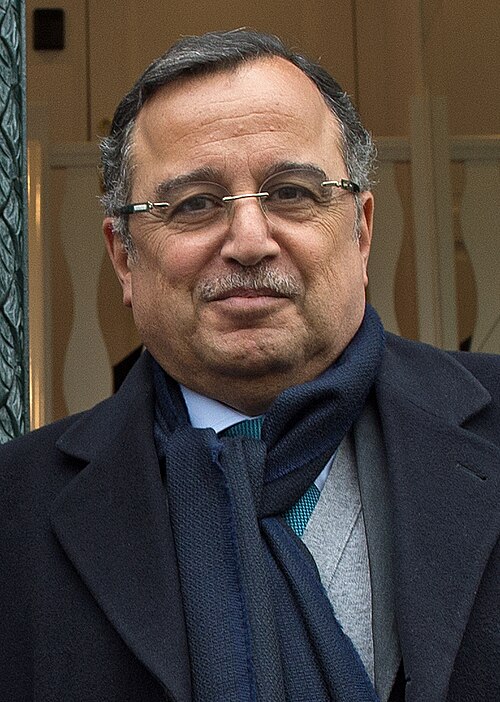
Nabil Fahmy is the Secretary- General of the League of Arab States and former Minister of Foreign Affairs of Egypt.
Vice President for Studies
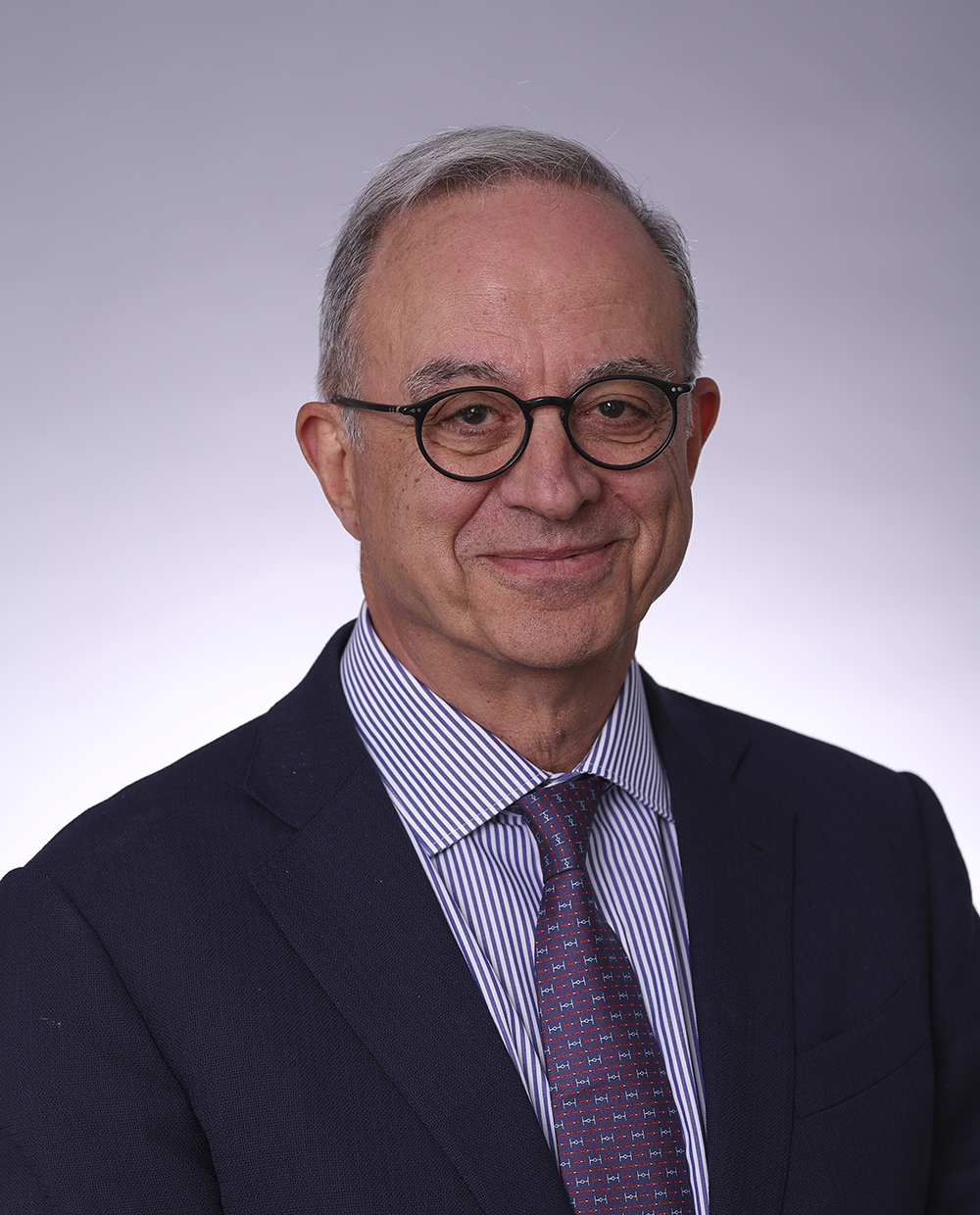
Marwan Muasher is vice president for studies at Carnegie, where he oversees research in Washington and Beirut on the Middle East. Muasher served as foreign minister (2002–2004) and deputy prime minister (2004–2005) of Jordan, and his career has spanned the areas of diplomacy, development, civil society, and communications.
Wed. December 9, 202610:15 AM - 11:15 AM GMT+2
The Middle East at a Crossroads
A conversation on the region's shifting political and strategic landscape, the pressures facing states across the Middle East, and the choices confronting regional governments as alliances, security dynamics, and relations with major powers continue to evolve.
Mustafa Al‑Kadhimi
Former Prime Minister of Iraq
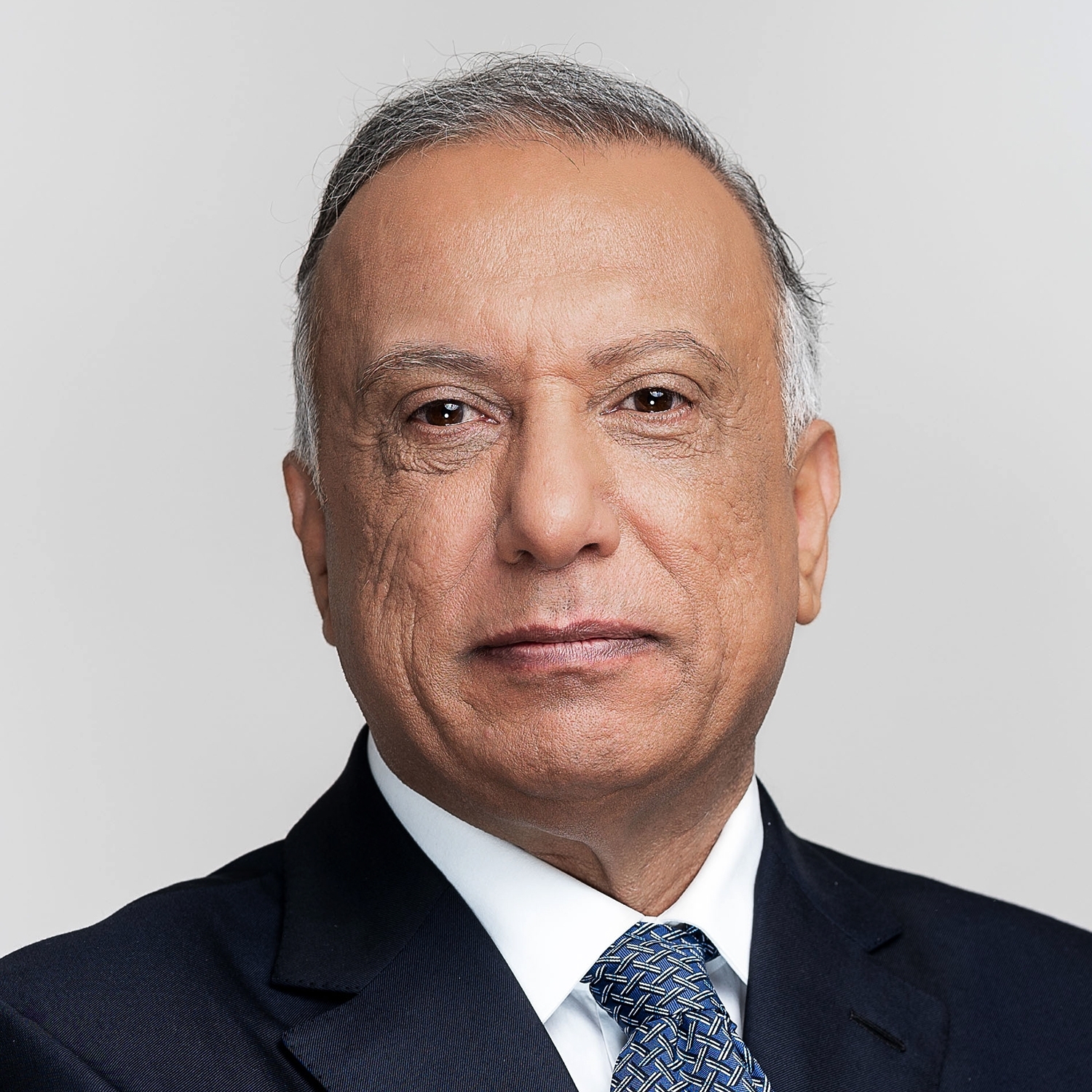
Mustafa Al‑Kadhimi, is an Iraqi independent politician, lawyer, former intelligence director, and journalist who served as Prime Minister of Iraq.
Director, Malcolm H. Kerr Carnegie Middle East Center
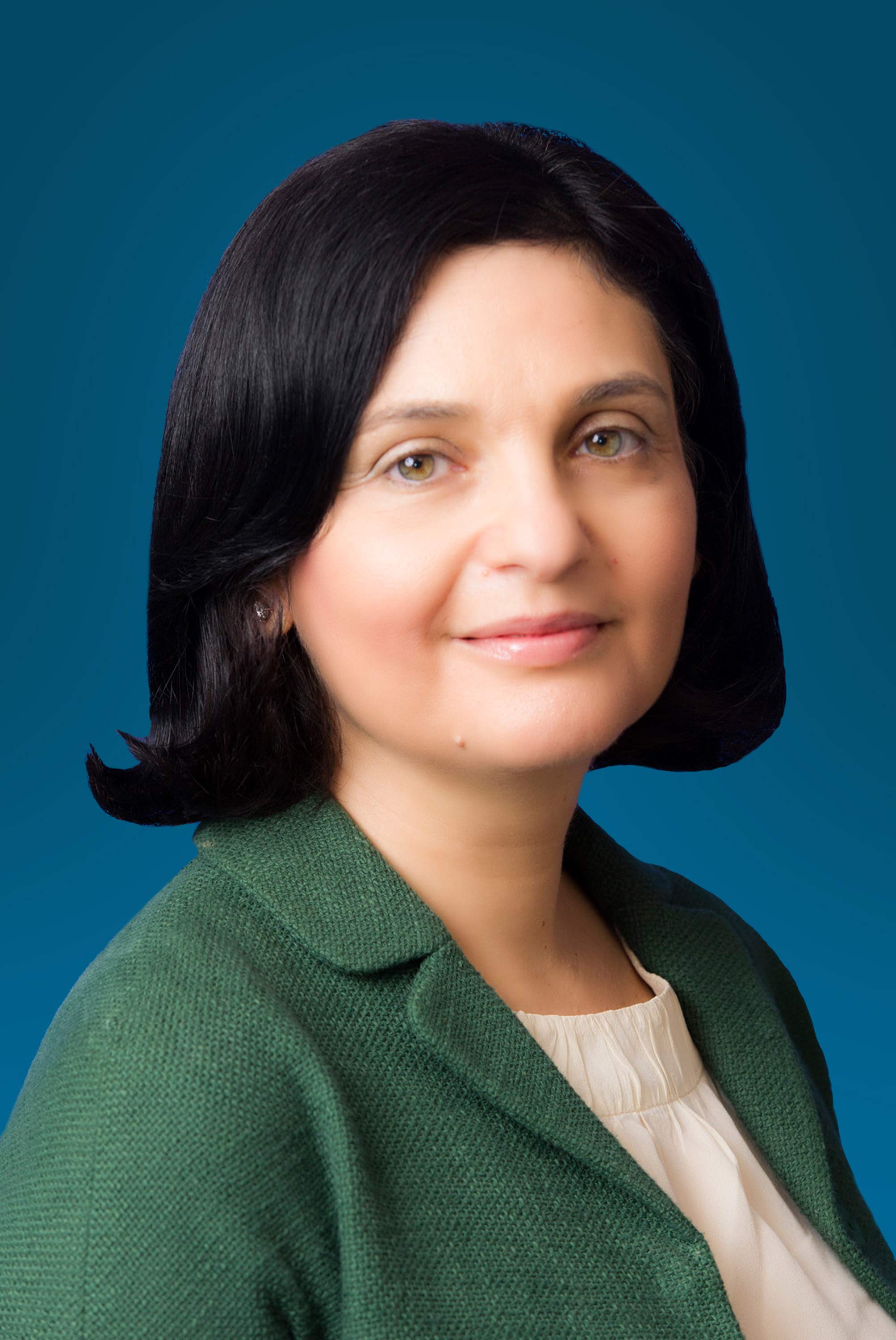
Maha Yahya is director of the Malcolm H. Kerr Carnegie Middle East Center, where her research focuses on citizenship, pluralism, and social justice in the aftermath of the Arab uprisings.
Wed. December 9, 202611:30 AM - 12:45 PM GMT+2
After the Midterms: U.S. Strategy and the Middle East
Following the 2026 midterm elections, the Trump administration will enter the second half of its term facing a rapidly changing international environment. Intensifying competition among major powers, ongoing conflicts in Europe and the Middle East, changing alliances, and a growing emphasis on economic statecraft will shape Washington's choices about where and how to project American influence. This panel will examine the administration's broader global priorities during the second half of Trump's presidency and assess what this means for U.S. alliances, international institutions, and regional partnerships. Attention will be paid to the Middle East and the extent to which Washington's approach to the region reflects broader shifts in U.S. strategy.
Yael Lempert
Vice President for Outreach, Middle East Institute
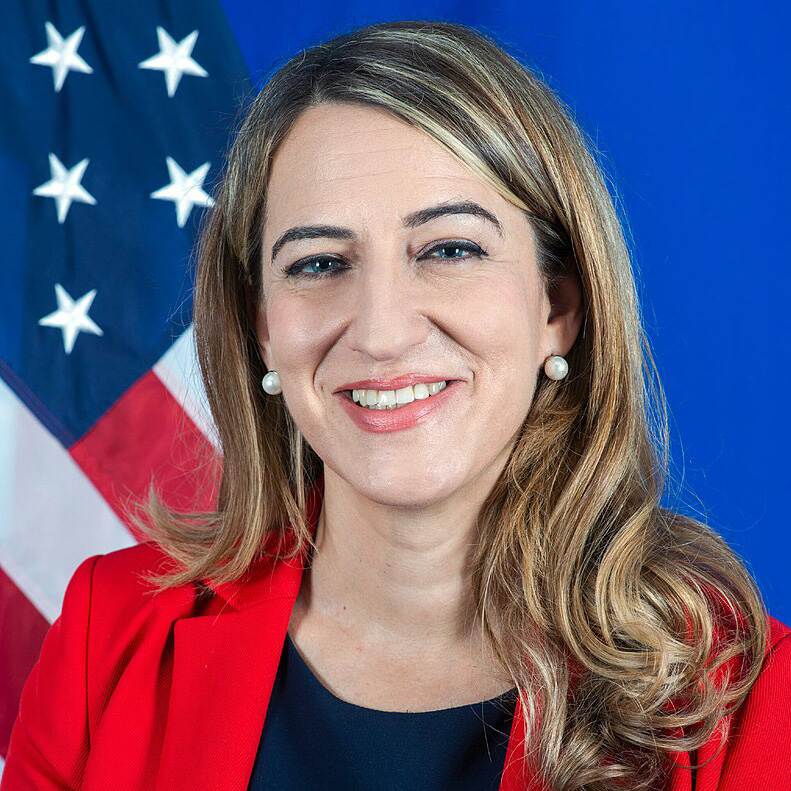
Ambassador (ret.) Yael Lempert joined the Middle East Institute as the vice president for Outreach in September 2025. Previously, Ambassador Lempert served for over 27 years as an American diplomat, including as the U.S. ambassador to the Hashemite Kingdom of Jordan from 2023 to 2025. Her other previous positions include acting assistant secretary of state and principal deputy assistant secretary for Near Eastern Affairs from 2021 through 2023. She served in 2021 as the chargé d’affaires at the U.S. Embassy in London, and as the deputy chief of mission for the two years prior. She was acting deputy assistant secretary of state for Egypt and North Africa from 2017 to 2018.
Senior associate (non-resident) at the Center for Strategic and International Studies
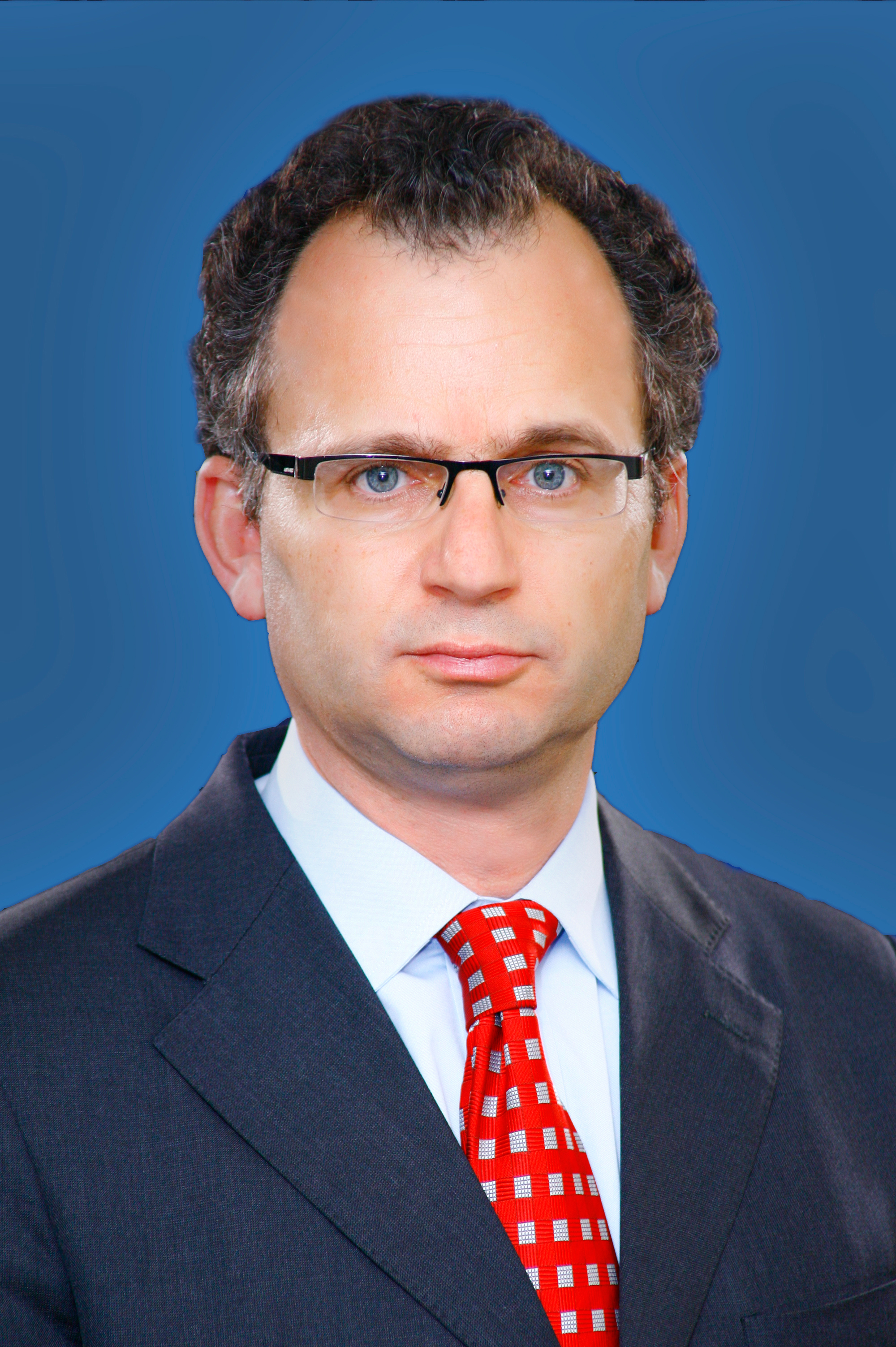
Paul Salem is a senior associate (non-resident) at the Center for Strategic and International Studies.
Editor in Chief, Strategic Europe

Rym Momtaz is the editor in chief of Carnegie Europe’s blog Strategic Europe. A multiple Emmy award-winning journalist-turned-analyst, she specializes in Europe and the Middle East and the interplay between those two spaces.
Director, Middle East Program
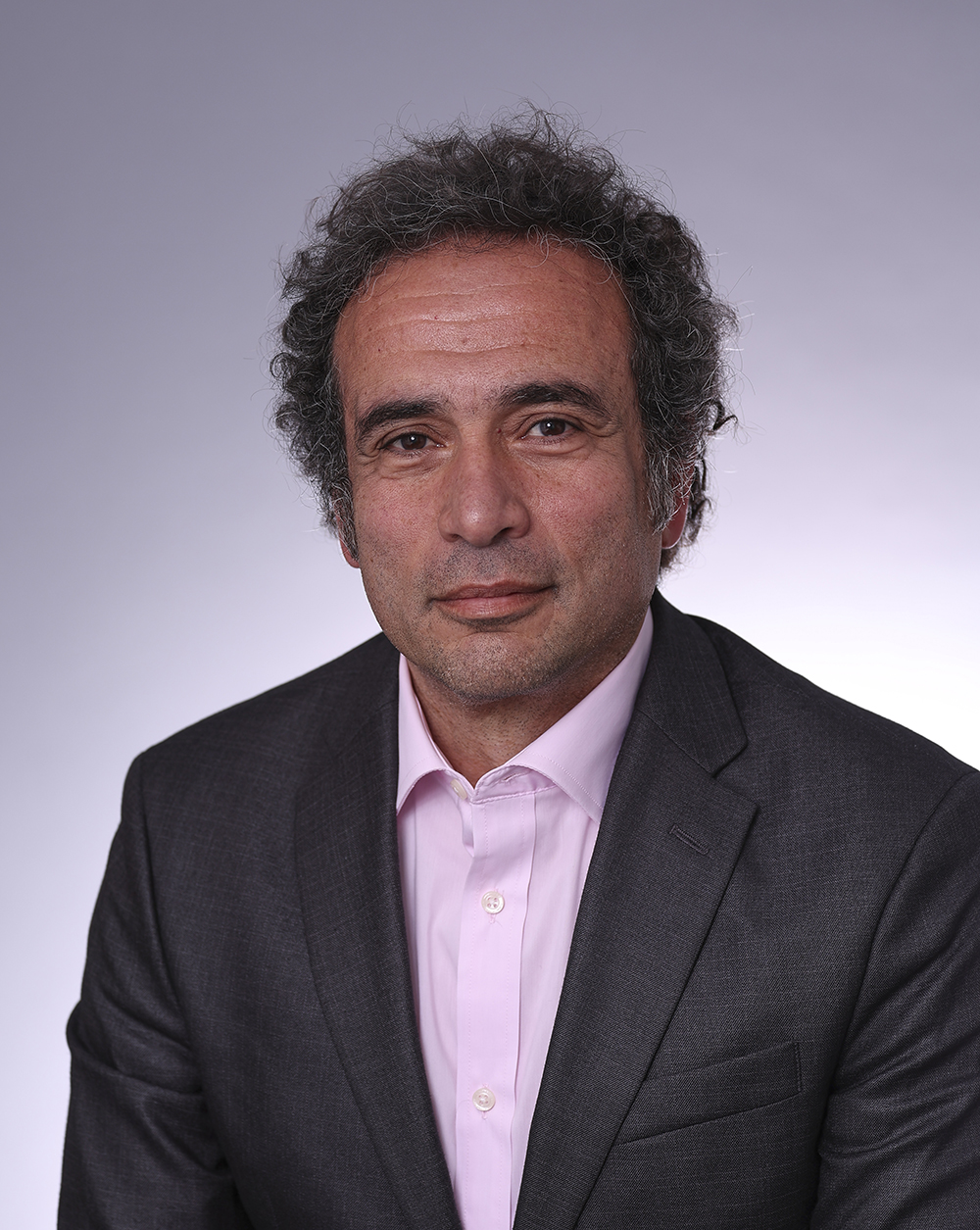
Amr Hamzawy is a senior fellow and the director of the Carnegie Middle East Program. His research and writings focus on Egypt’s and other middle powers’ involvement in regional security in the Middle East, particularly through collective diplomacy and multilateral conflict resolution
Wed. December 9, 202612:45 PM - 1:30 PM GMT+2
Beyond Borders and Blocs: Diplomacy, Cooperation and the Search for Common Ground
A conversation on the possibilities for diplomacy and cooperation amid shifting regional and international alignments, focusing on Lebanon and Gaza. Ghassan Salamé will reflect on the political and diplomatic challenges facing both, and the prospects for dialogue and common ground in a changing Middle East.
Ghassan Salameh
Minister of Culture of Lebanon
Ghassan Salameh is the minister of culture of Lebanon.
Director, Malcolm H. Kerr Carnegie Middle East Center
Maha Yahya is director of the Malcolm H. Kerr Carnegie Middle East Center, where her research focuses on citizenship, pluralism, and social justice in the aftermath of the Arab uprisings.
Wed. December 9, 20262:30 PM - 3:30 PM GMT+2
China, India & the Emerging Global Order
China and India are increasingly central to the transformation of the international system as well as to the future of the Middle East. Both countries are expanding their economic, diplomatic, technological, and strategic engagement with the region, while pursuing different visions of their roles in a changing global order.
The panel will examine how Beijing and New Delhi view alliances/diplomacy in the Middle East, how their relationships with Gulf states and other regional actors are evolving, and what their growing influence means for the United States and the broader international system. The discussion could also explore the different strategic approaches of China and India and whether their rise represents a shift toward a genuinely multipolar order.
Sumantra Bose
Professor of International and Comparative Politics at Krea University
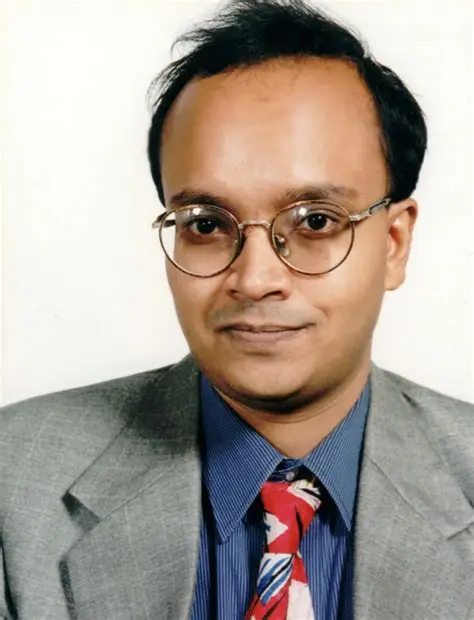
Sumantra Bose is the Professor of International and Comparative Politics at Krea University.
Senior Fellow with the Nuclear Policy Program and Carnegie China
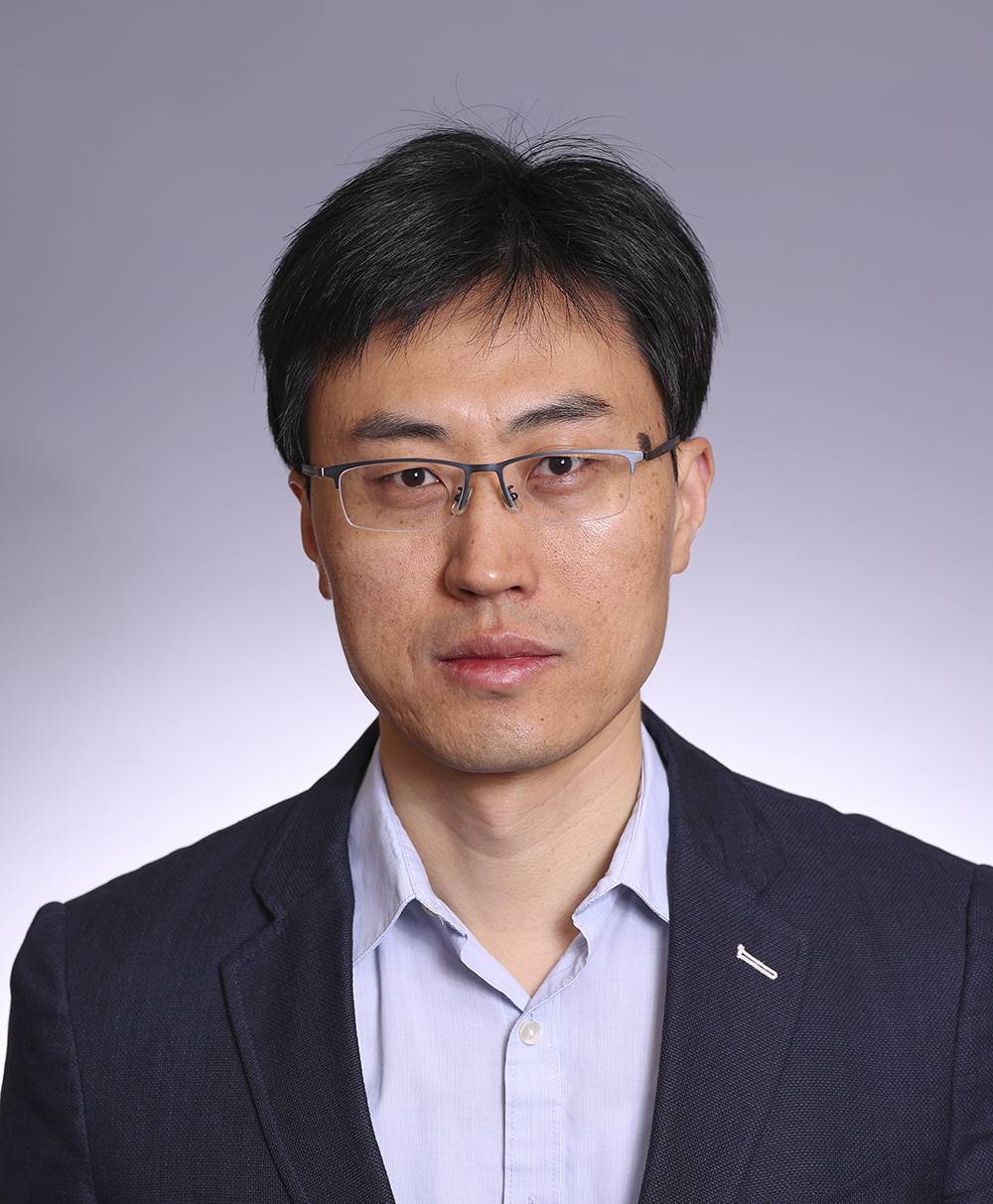
Tong Zhao is a senior fellow with the Nuclear Policy Program and Carnegie China, Carnegie’s East Asia-based research center on contemporary China. Formerly based in Beijing, he now conducts research in Washington on strategic security issues.
Rima Maktabi
Wed. December 9, 20263:30 PM - 4:00 PM GMT+2
A Nuclear Perspective
A presentation on the evolving global nuclear landscape, including nuclear proliferation risks, deterrence, arms control, and the implications of renewed great-power competition for nuclear stability.
Nonresident Scholar, Nuclear Policy Program
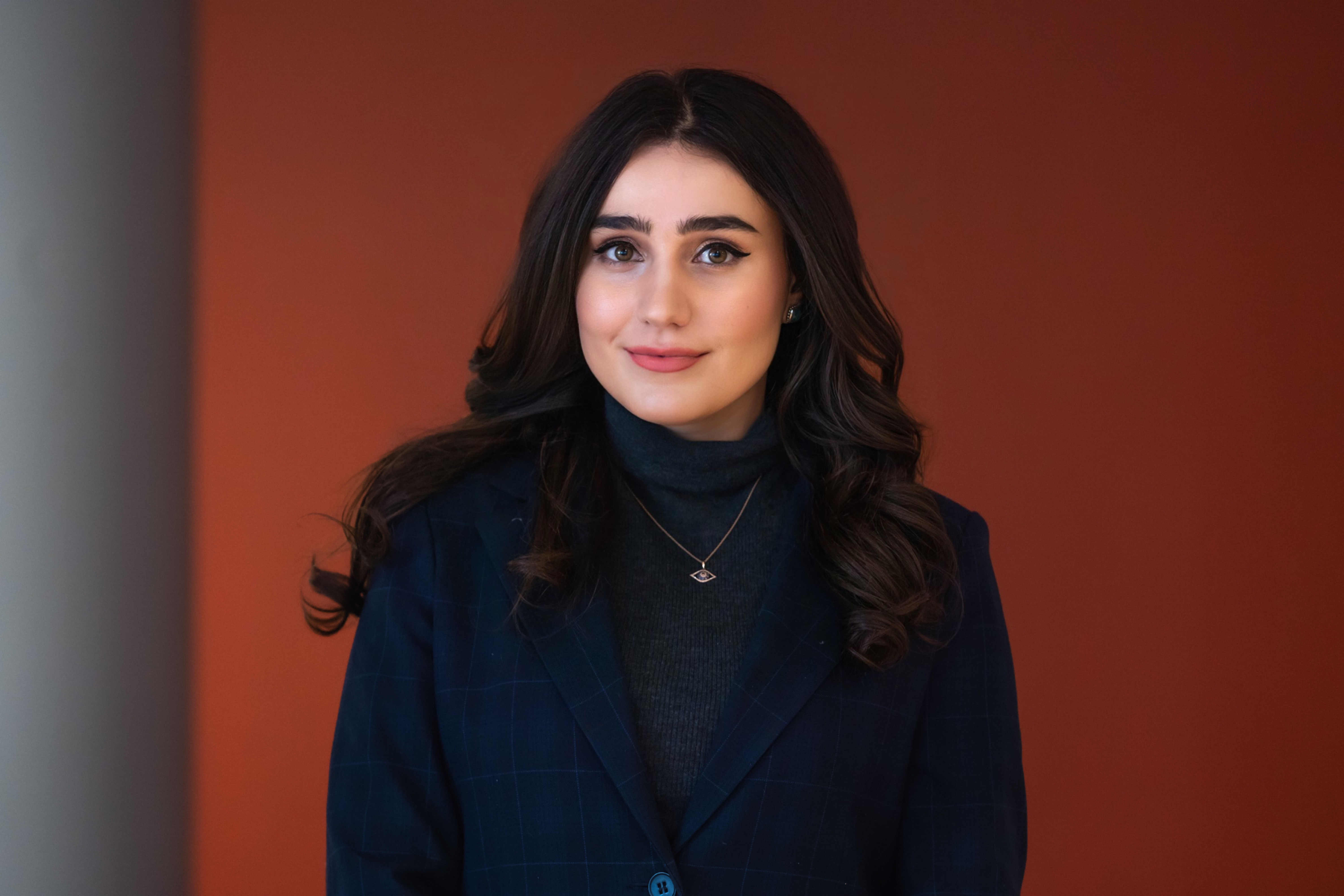
Nicole Grajewski is a nonresident scholar in the Nuclear Policy Program at the Carnegie Endowment for International Peace.
Wed. December 9, 20264:00 PM - 5:15 PM GMT+2
A Changing Battlescape: War, Technology & Human Rights
The wars in Ukraine and the Middle East are exposing both the strengths and limitations of existing security arrangements while accelerating changes in the nature of warfare. Drones, artificial intelligence, cyber operations, autonomous systems, and new forms of surveillance are altering how wars are fought and how military power is exercised.
These developments also raise fundamental questions about civilian protection, accountability, international humanitarian law, and the human rights consequences of increasingly technologically advanced warfare. The panel will examine how military innovation is changing conflict, whether existing legal and institutional frameworks are capable of keeping pace, and what these developments mean for security architectures in the Middle East and beyond.
Steven Feldstein
Senior fellow at the Carnegie Endowment for International Peace in the Democracy, Conflict, and Governance Program.
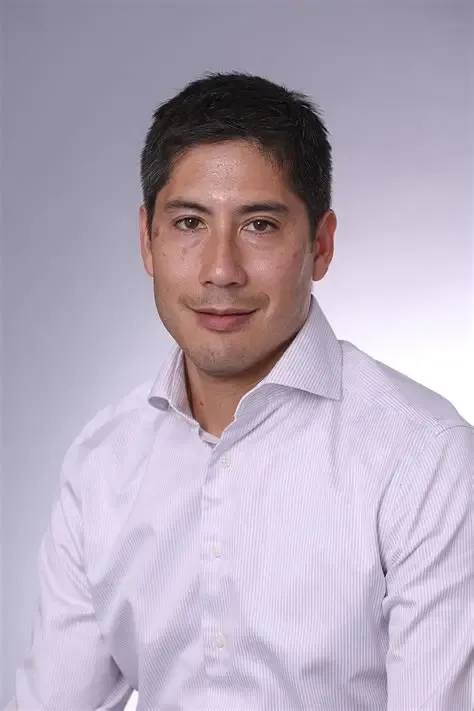
Steven Feldstein is a senior fellow at the Carnegie Endowment for International Peace in the Democracy, Conflict, and Governance Program.
Nada Homsi
The National’s Lebanon and Syria correspondent, based in Beirut

Nada Homsi is The National’s Lebanon and Syria correspondent, based in Beirut. For more than a decade, she has reported on war, human rights abuses, displacement and the shifting political and security landscape of the Middle East, with a focus on the people living through these changes. Her work has also appeared in NPR, The New York Times, Foreign Policy and Al Jazeera English.
Deputy Director for Research, Malcolm H. Kerr Carnegie Middle East Center
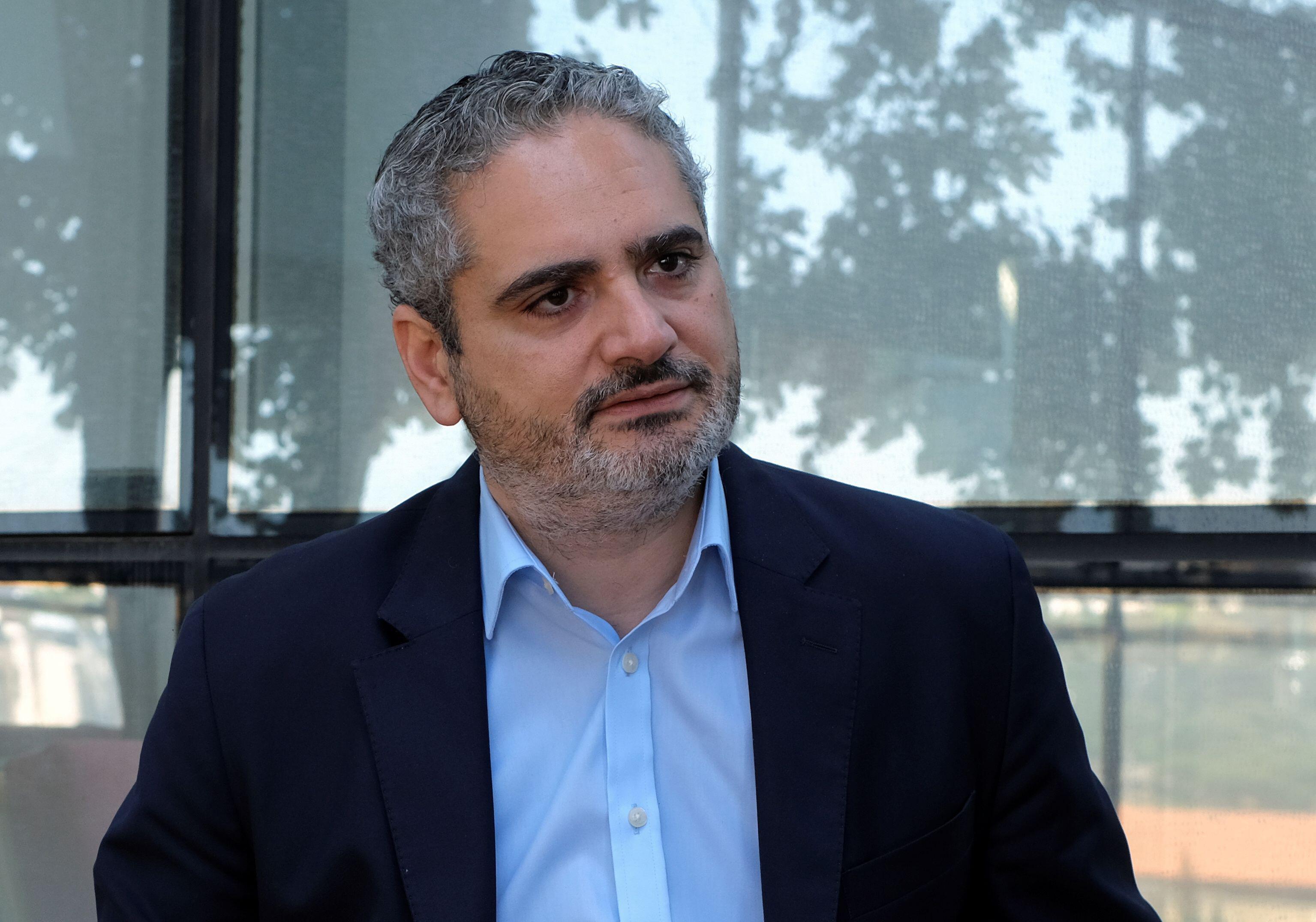
Mohanad Hage Ali is the deputy director for research at the Malcolm H. Kerr Carnegie Middle East Center.
Thu. December 10, 20269:30 AM - 10:15 AM GMT+2
Beyond the Headlines: Power, Security and the Future
A conversation on the evolving global security environment, the forces reshaping international politics, and the strategic challenges likely to define the coming years.
President
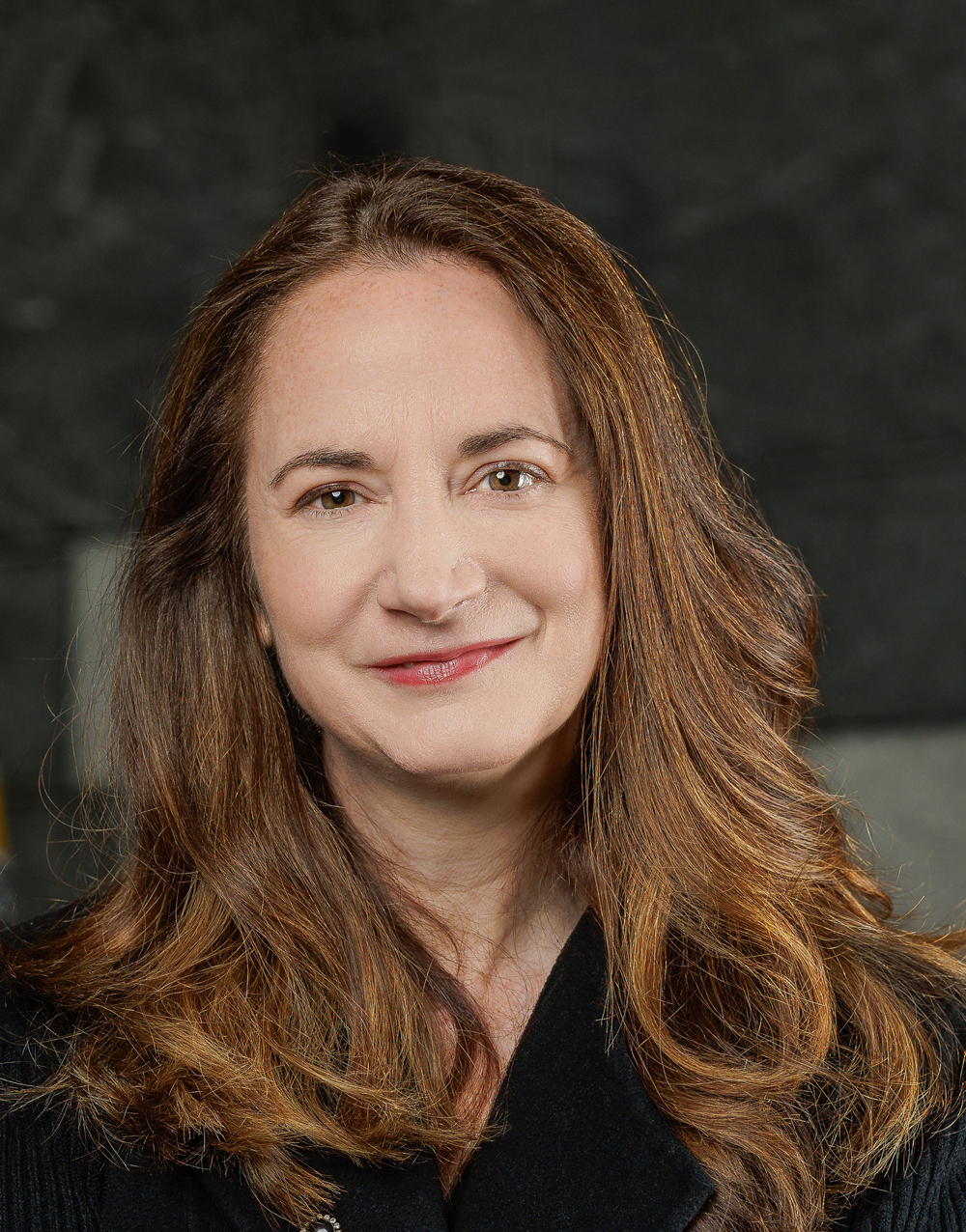
Avril Haines is the president of the Carnegie Endowment for International Peace. She served as U.S. Director of National Intelligence and a cabinet member from 2021 to 2025, following decades of public service in senior national security, policy, and legal roles across all three branches of government.
Director, Malcolm H. Kerr Carnegie Middle East Center
Maha Yahya is director of the Malcolm H. Kerr Carnegie Middle East Center, where her research focuses on citizenship, pluralism, and social justice in the aftermath of the Arab uprisings.
Thu. December 10, 202610:15 AM - 11:45 AM GMT+2
To “Mecca” or Not: Mapping New Regional Alliances
The Middle East is increasingly characterized by fluid partnerships rather than fixed blocs. Regional states are pursuing multiple relationships simultaneously, balancing security partnerships, economic interests, and strategic autonomy. This session will explore emerging patterns of regional alignment and competition, including the possibility of new strategic relationships involving Saudi Arabia, Pakistan, and Turkey on one side and Israel, Greece, and India on the other.
Rather than assuming the emergence of formal alliances, the discussion will examine whether these relationships represent durable strategic alignments or pragmatic partnerships that may shift as regional circumstances change.
Manal Radwan
Special envoy and advisor to the minister of foreign affairs for negotiations and peace efforts at Saudi Arabia’s Ministry of Foreign Affairs
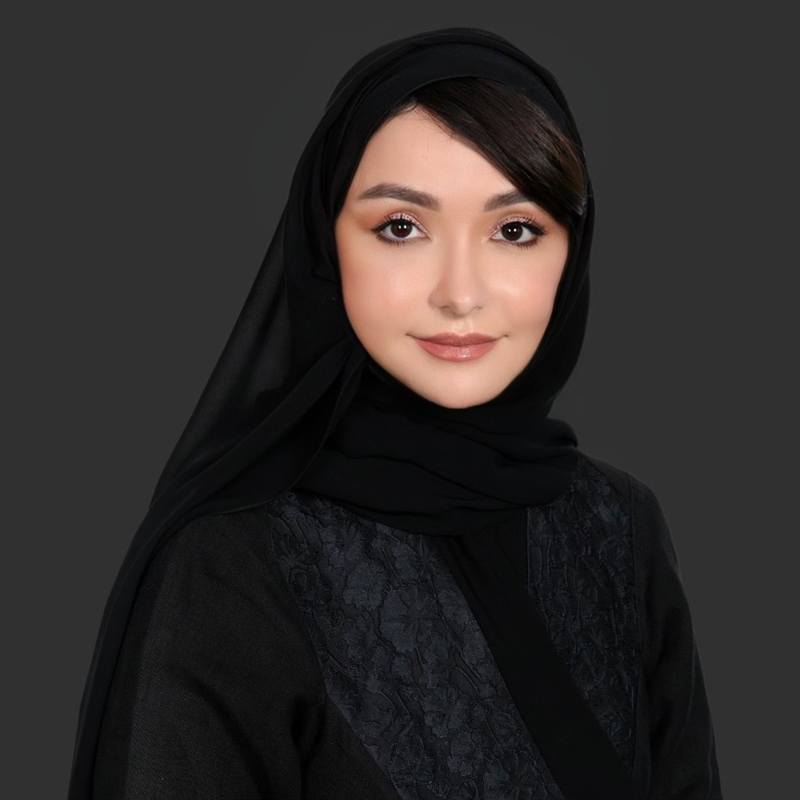
Manal Radwan is the special envoy and advisor to the minister of foreign affairs for negotiations and peace efforts at Saudi Arabia’s Ministry of Foreign Affairs.
Hamidreza Azizi
Senior Iran Analyst at International Crisis Group
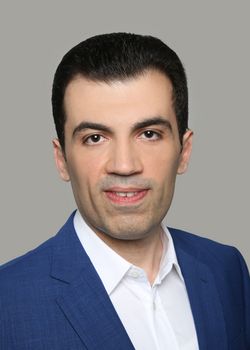
Hamidreza Azizi is a Senior Iran Analyst, International Crisis Group.
Azeema Cheema
Founding Director at Verso Consulting
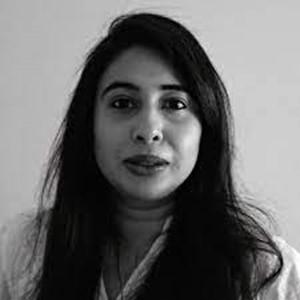
Azeema Cheema is a Founding Director at Verso Consulting where she leads the portfolio on Conflict, Fragility and Violence.
Senior Fellow, Carnegie Europe
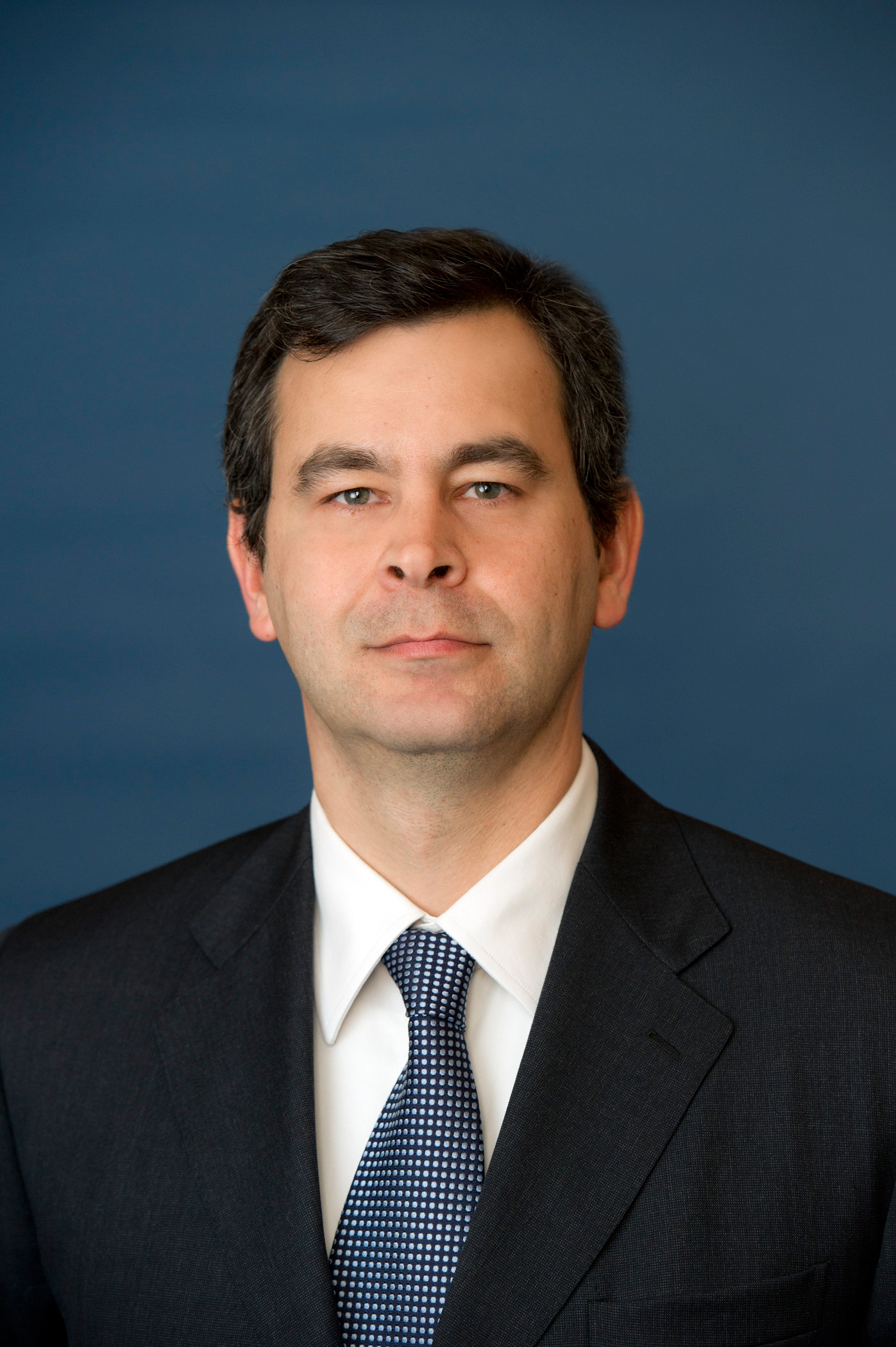
Sinan Ülgen is a senior fellow at Carnegie Europe in Brussels, where his research focuses on Turkish foreign policy, transatlantic relations, international trade, economic security, and digital policy.
Thu. December 10, 202612:00 PM - 12:45 PM GMT+2
Navigating the Global Economy: What Lies Ahead
A conversation on the state of the global economy, including economic uncertainty, debt and fiscal pressures, shifting patterns of global trade and investment, and the implications of these trends for emerging markets and the Middle East.
Jihad Azour
Director of the Middle East and Central Asia Department at the International Monetary Fund
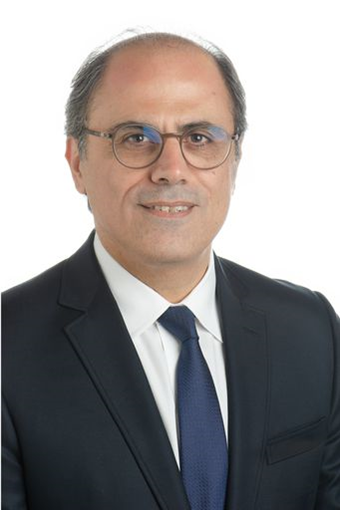
Director of the Middle East and Central Asia Department at the International Monetary Fund where he oversees the Fund’s work in the Middle East, North Africa, Central Asia and Caucasus.
Amer Bisat
Minister of Economy and Trade of Lebanon
Amer Bisat is the Minister of Economy and Trade of Lebanon.
Thu. December 10, 202612:45 PM - 1:30 PM GMT+2
The Twilight of Oil: Trade Routes, Investments & Economic Power
Competition over trade, investment, and critical economic infrastructure has become an increasingly important dimension of international politics. Recent conflicts have demonstrated the vulnerability of strategic maritime chokepoints, notably the Strait of Hormuz and the Bab al-Mandab, while accelerating efforts to develop alternative trade and energy corridors that reduce dependence on them. Governments and private actors are investing in ports, pipelines, logistics networks, and connectivity initiatives that could reshape global commerce and investment flows for decades to come.
At the same time, Gulf states continue to expand their global economic influence through sovereign wealth funds, artificial intelligence, technology, logistics, food security, and sports and cultural investments, even as domestic priorities and fiscal constraints are making overseas capital more selective. The panel will examine how changes in trade routes, investment patterns, infrastructure, and economic interdependence are reshaping the region's economic geography and, in turn, altering the distribution of geopolitical influence.
Rima Khalaf
Vice President for Studies
Marwan Muasher is vice president for studies at Carnegie, where he oversees research in Washington and Beirut on the Middle East. Muasher served as foreign minister (2002–2004) and deputy prime minister (2004–2005) of Jordan, and his career has spanned the areas of diplomacy, development, civil society, and communications.
El-Erian Fellow, Malcolm H. Kerr Carnegie Middle East Center
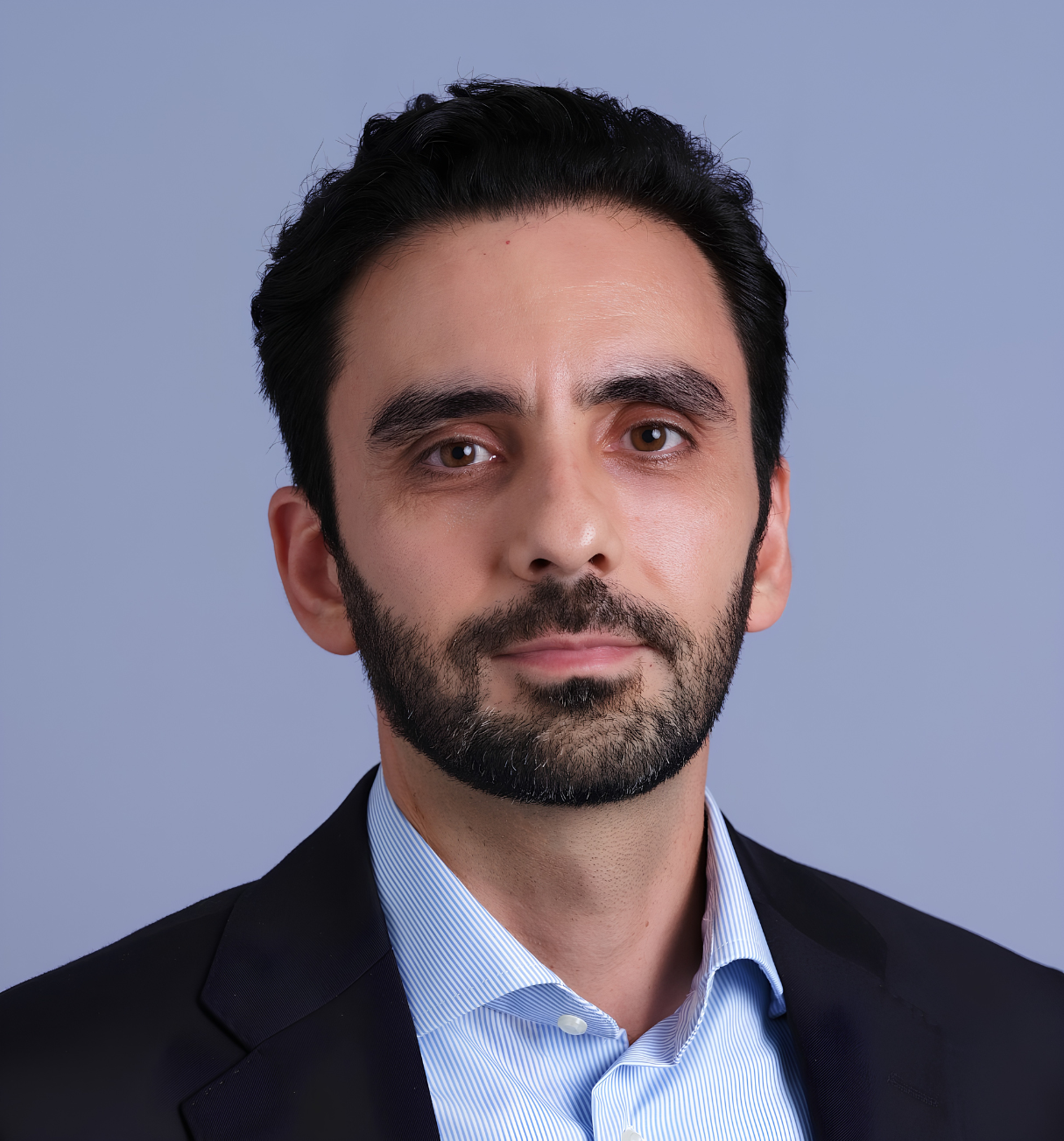
Ali Al-Mawlawi is the El-Erian Fellow at the Malcolm H. Kerr Carnegie Middle East Center and director of Horizon Advisory Group.
Fellow, Malcolm H. Kerr Carnegie Middle East Center, Director, Political Economy Program
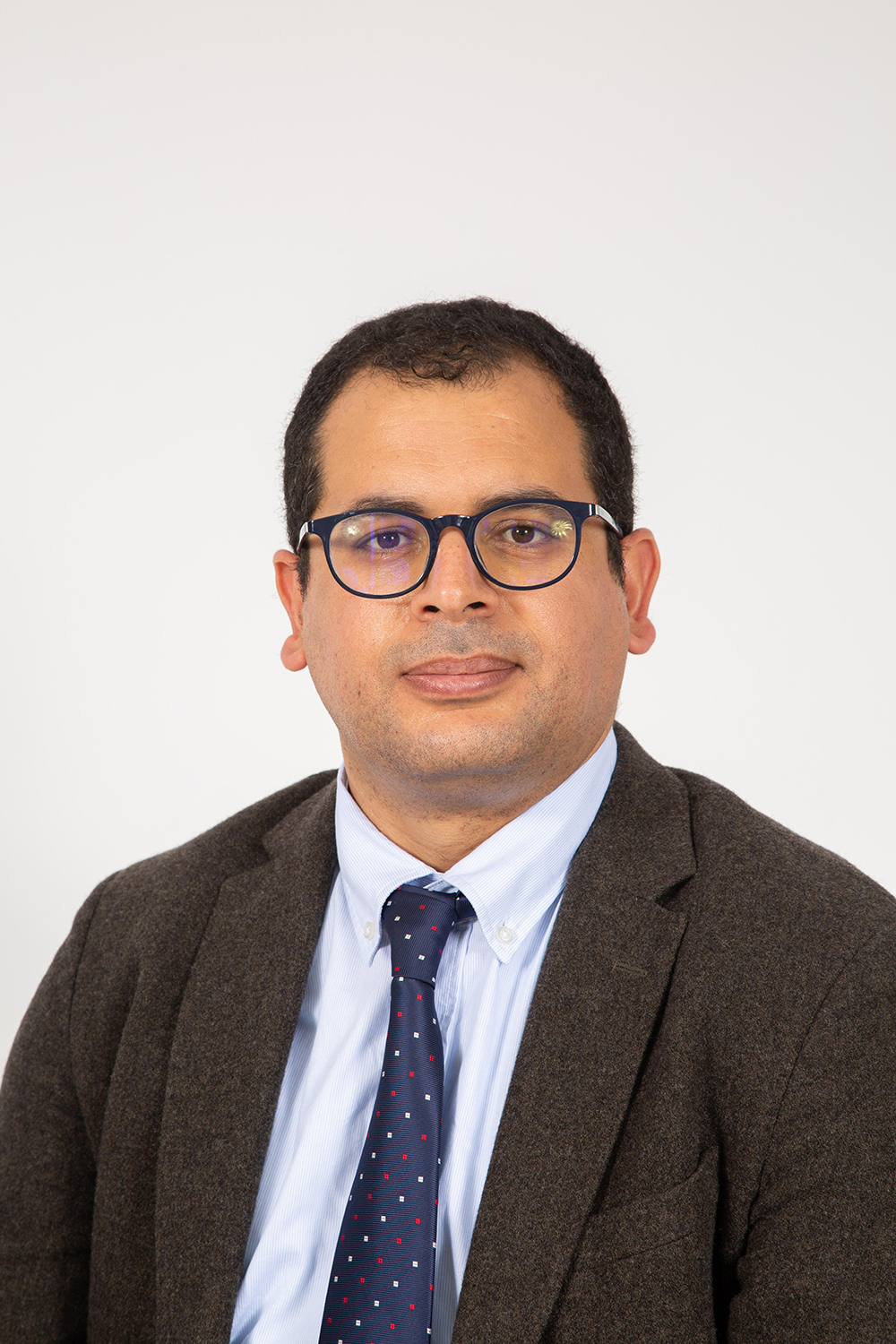
Hamza Meddeb is a research fellow at the Malcolm H. Kerr Carnegie Middle East Center and director of its Political Economy Program.
Senior Fellow, Malcolm H. Kerr Carnegie Middle East Center
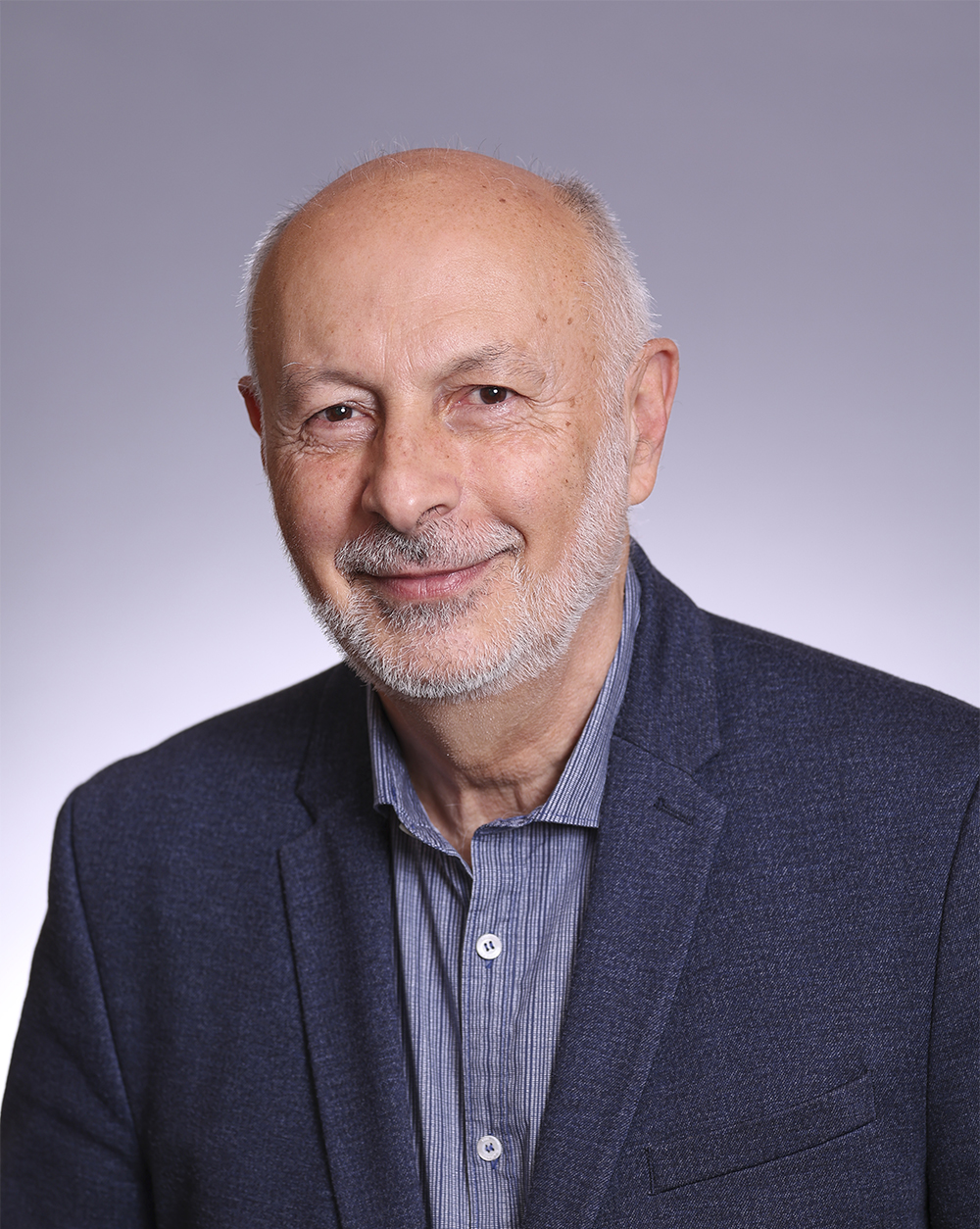
Yezid Sayigh is a senior fellow at the Malcolm H. Kerr Carnegie Middle East Center in Beirut, where he leads the program on Civil-Military Relations in Arab States (CMRAS). His work focuses on the comparative political and economic roles of Arab armed forces, the impact of war on states and societies, the politics of postconflict reconstruction and security sector transformation in Arab transitions, and authoritarian resurgence.
Thu. December 10, 20261:30 PM - 2:00 PM GMT+2
The Carnegie Middle East Center: 20 Years of Influence
This session brings together current and/or former Carnegie scholars to reflect on how the Middle East has changed over the past twenty years, how the questions facing the region have evolved, and what the next decade may look like. The session will use Carnegie's experience in the region as a lens through which to examine the broader transformations of the past two decades and those still to come.
Vice President for Studies
Marwan Muasher is vice president for studies at Carnegie, where he oversees research in Washington and Beirut on the Middle East. Muasher served as foreign minister (2002–2004) and deputy prime minister (2004–2005) of Jordan, and his career has spanned the areas of diplomacy, development, civil society, and communications.
Event Speakers
President
Avril Haines is the president of the Carnegie Endowment for International Peace. She served as U.S. Director of National Intelligence and a cabinet member from 2021 to 2025, following decades of public service in senior national security, policy, and legal roles across all three branches of government.
Nabil Fahmy
Secretary- General of the League of Arab States and former Minister of Foreign Affairs of Egypt
Nabil Fahmy is the Secretary- General of the League of Arab States and former Minister of Foreign Affairs of Egypt.
Mustafa Al‑Kadhimi
Former Prime Minister of Iraq
Mustafa Al‑Kadhimi, is an Iraqi independent politician, lawyer, former intelligence director, and journalist who served as Prime Minister of Iraq.
Vice President for Studies
Marwan Muasher is vice president for studies at Carnegie, where he oversees research in Washington and Beirut on the Middle East. Muasher served as foreign minister (2002–2004) and deputy prime minister (2004–2005) of Jordan, and his career has spanned the areas of diplomacy, development, civil society, and communications.
Director, Malcolm H. Kerr Carnegie Middle East Center
Maha Yahya is director of the Malcolm H. Kerr Carnegie Middle East Center, where her research focuses on citizenship, pluralism, and social justice in the aftermath of the Arab uprisings.
Ghassan Salameh
Minister of Culture of Lebanon
Ghassan Salameh is the minister of culture of Lebanon.
Amer Bisat
Minister of Economy and Trade of Lebanon
Amer Bisat is the Minister of Economy and Trade of Lebanon.
Manal Radwan
Special envoy and advisor to the minister of foreign affairs for negotiations and peace efforts at Saudi Arabia’s Ministry of Foreign Affairs
Manal Radwan is the special envoy and advisor to the minister of foreign affairs for negotiations and peace efforts at Saudi Arabia’s Ministry of Foreign Affairs.
Yael Lempert
Vice President for Outreach, Middle East Institute
Ambassador (ret.) Yael Lempert joined the Middle East Institute as the vice president for Outreach in September 2025. Previously, Ambassador Lempert served for over 27 years as an American diplomat, including as the U.S. ambassador to the Hashemite Kingdom of Jordan from 2023 to 2025. Her other previous positions include acting assistant secretary of state and principal deputy assistant secretary for Near Eastern Affairs from 2021 through 2023. She served in 2021 as the chargé d’affaires at the U.S. Embassy in London, and as the deputy chief of mission for the two years prior. She was acting deputy assistant secretary of state for Egypt and North Africa from 2017 to 2018.
Jihad Azour
Director of the Middle East and Central Asia Department at the International Monetary Fund
Director of the Middle East and Central Asia Department at the International Monetary Fund where he oversees the Fund’s work in the Middle East, North Africa, Central Asia and Caucasus.
Senior associate (non-resident) at the Center for Strategic and International Studies
Paul Salem is a senior associate (non-resident) at the Center for Strategic and International Studies.
Senior Fellow, Carnegie Europe
Sinan Ülgen is a senior fellow at Carnegie Europe in Brussels, where his research focuses on Turkish foreign policy, transatlantic relations, international trade, economic security, and digital policy.
Hamidreza Azizi
Senior Iran Analyst at International Crisis Group
Hamidreza Azizi is a Senior Iran Analyst, International Crisis Group.
Nonresident Scholar, Nuclear Policy Program
Nicole Grajewski is a nonresident scholar in the Nuclear Policy Program at the Carnegie Endowment for International Peace.
Steven Feldstein
Senior fellow at the Carnegie Endowment for International Peace in the Democracy, Conflict, and Governance Program.
Steven Feldstein is a senior fellow at the Carnegie Endowment for International Peace in the Democracy, Conflict, and Governance Program.
Editor in Chief, Strategic Europe
Rym Momtaz is the editor in chief of Carnegie Europe’s blog Strategic Europe. A multiple Emmy award-winning journalist-turned-analyst, she specializes in Europe and the Middle East and the interplay between those two spaces.
Senior Fellow, Malcolm H. Kerr Carnegie Middle East Center
Yezid Sayigh is a senior fellow at the Malcolm H. Kerr Carnegie Middle East Center in Beirut, where he leads the program on Civil-Military Relations in Arab States (CMRAS). His work focuses on the comparative political and economic roles of Arab armed forces, the impact of war on states and societies, the politics of postconflict reconstruction and security sector transformation in Arab transitions, and authoritarian resurgence.
Deputy Director for Research, Malcolm H. Kerr Carnegie Middle East Center
Mohanad Hage Ali is the deputy director for research at the Malcolm H. Kerr Carnegie Middle East Center.
Senior Fellow with the Nuclear Policy Program and Carnegie China
Tong Zhao is a senior fellow with the Nuclear Policy Program and Carnegie China, Carnegie’s East Asia-based research center on contemporary China. Formerly based in Beijing, he now conducts research in Washington on strategic security issues.
El-Erian Fellow, Malcolm H. Kerr Carnegie Middle East Center
Ali Al-Mawlawi is the El-Erian Fellow at the Malcolm H. Kerr Carnegie Middle East Center and director of Horizon Advisory Group.
Azeema Cheema
Founding Director at Verso Consulting
Azeema Cheema is a Founding Director at Verso Consulting where she leads the portfolio on Conflict, Fragility and Violence.
Fellow, Malcolm H. Kerr Carnegie Middle East Center, Director, Political Economy Program
Hamza Meddeb is a research fellow at the Malcolm H. Kerr Carnegie Middle East Center and director of its Political Economy Program.
Nada Homsi
The National’s Lebanon and Syria correspondent, based in Beirut
Nada Homsi is The National’s Lebanon and Syria correspondent, based in Beirut. For more than a decade, she has reported on war, human rights abuses, displacement and the shifting political and security landscape of the Middle East, with a focus on the people living through these changes. Her work has also appeared in NPR, The New York Times, Foreign Policy and Al Jazeera English.
Director, Middle East Program
Amr Hamzawy is a senior fellow and the director of the Carnegie Middle East Program. His research and writings focus on Egypt’s and other middle powers’ involvement in regional security in the Middle East, particularly through collective diplomacy and multilateral conflict resolution